
For Neurodivergents: Scroll for tips.
For Neuro-normals: It’s difficult to fathom the challenges we face as neurodivergent writers. Throughout my career, as someone with combined-type ADHD, I’ve been the constant recipient of the following phrases:
- If you get creative block, this industry will eat you alive.
- If you find writing hard, you’re not a real writer.
- If you can’t write more than 1000 words a day, you’re not a very good writer.
These phrases, especially coming from the mouths of successful and trusted writers create a foundation of ableism in the writing business. Not everyone works in the same way – and that’s okay, but these perspectives exclude our brains from participating. During my DYCP exploratory period, I wanted to look at the day-to-day of my experience as a neurodiverse writer and how I could make things easier for myself.
It’s more than lack of focus.
Jennifer Lynn
Some background.
When it comes to ADHD specifically, people (generally speaking) conjure images of a small hyperactive boy. But ADHD can affect people of all ages, genders and ethnicities in a variety of different ways. No one set of symptoms is the same. For instance, some don’t know there are actually three types of ADHD: Combined, Impulsive/Hyperactive, and Inattentive.
If we can understand brains that differ from our own, we can create a more equal and accessible space for everyone.
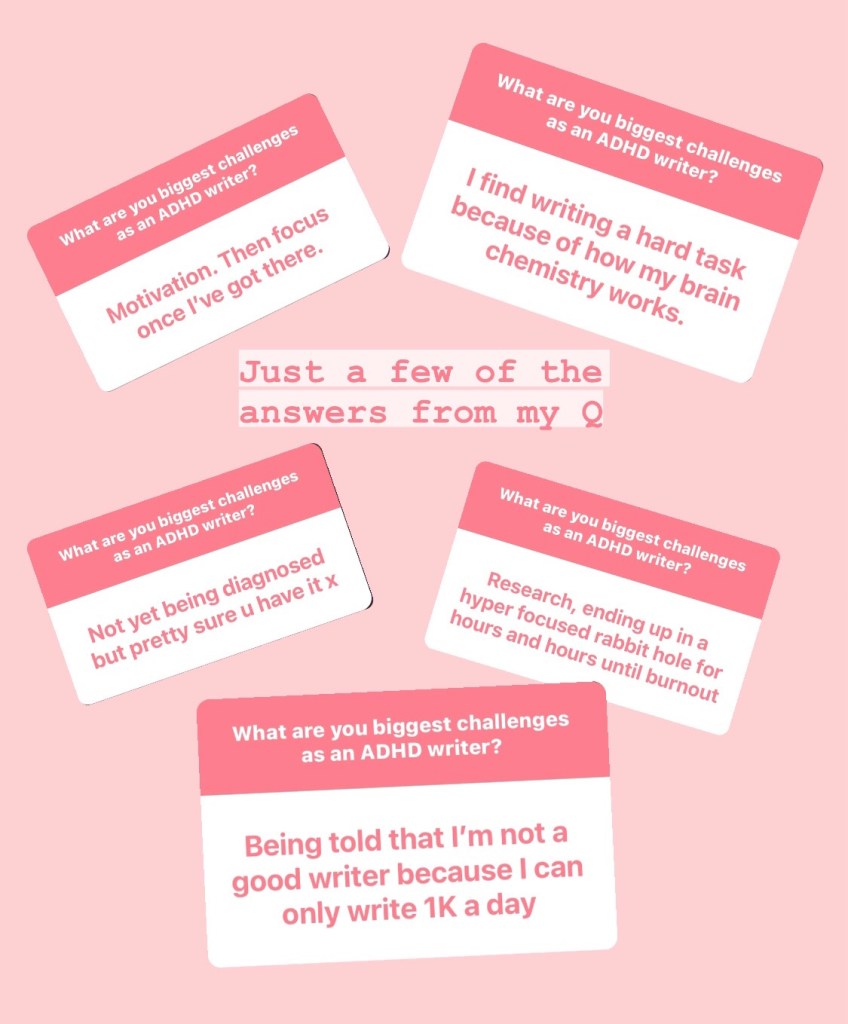
Let’s take a look at how ADHD affects writing time.
- Working for long periods of time (hyper-focused) without consideration for food or hygiene followed by a significant burnout period.
- An internal organisation of chaos with little attention to detail. Second by second, it’s like living simultaneously in slow motion and at double speed.
- Getting distracted easily – living half in the story and half somewhere else entirely. This can look like stopping halfway through a sentence or scene to make sure you turned the oven off but frequently – every minute or five minutes. Meaningful focus time is difficult to achieve.
- We get chemical gratification from planning things short term but not by completing the actual task being planned.
- It takes less to make us exhausted than our neuro-normal counterparts. This means more rests/rest days. This also typically means fewer words written.
- Building long-term routines are practically an impossible task.
- Our short-term memory has so many holes in it.
This is the tip of the iceberg. Having ADHD presents many creative and practical challenges. When we say things like ‘I’m struggling to focus’ it’s not because we’re lazy or simply not trying hard enough but because our brains are quite literally powering down without our say so.
Tips
Something I wanted to achieve using my grant money from ACE was the ability to take the time to learn what works for me in terms of solving some of the above problems. I know from experience that LOTS of things work short term, but how could I make meaningful long-term changes to my creative process to help me produce more consistent results? Well, I have a few suggestions.
- After this experience, I *try* to remind myself daily that there are actually a lot of positives to having ADHD. We have an unbelievably heightened empathy and understanding of the world. When we feel things, we feel them big. This is a huge advantage for creative writing and storytelling.
- I often ask my partner, if we were ancient humans, would I have been fed to the wolves (because I am so useless)? And they always say the same thing: No. All tribes need storytellers. Those who gather the hunters, finders, parents and children around the fire and bring them together. We build culture and community.
- Sometimes, it’s okay not to force yourself to focus. Let yourself be distracted. Let your mind rest. Let yourself recuperate. It’s okay to take time – even if a slower working pace scares you or makes you feel like you’re falling behind.
- Work in very short sprints. Most writing retreats will give you anywhere between 25-50 minutes, but I’ve found it more beneficial to work in stints between 5-15 minutes with short 1-2 minute interruptions when I can note my progress.
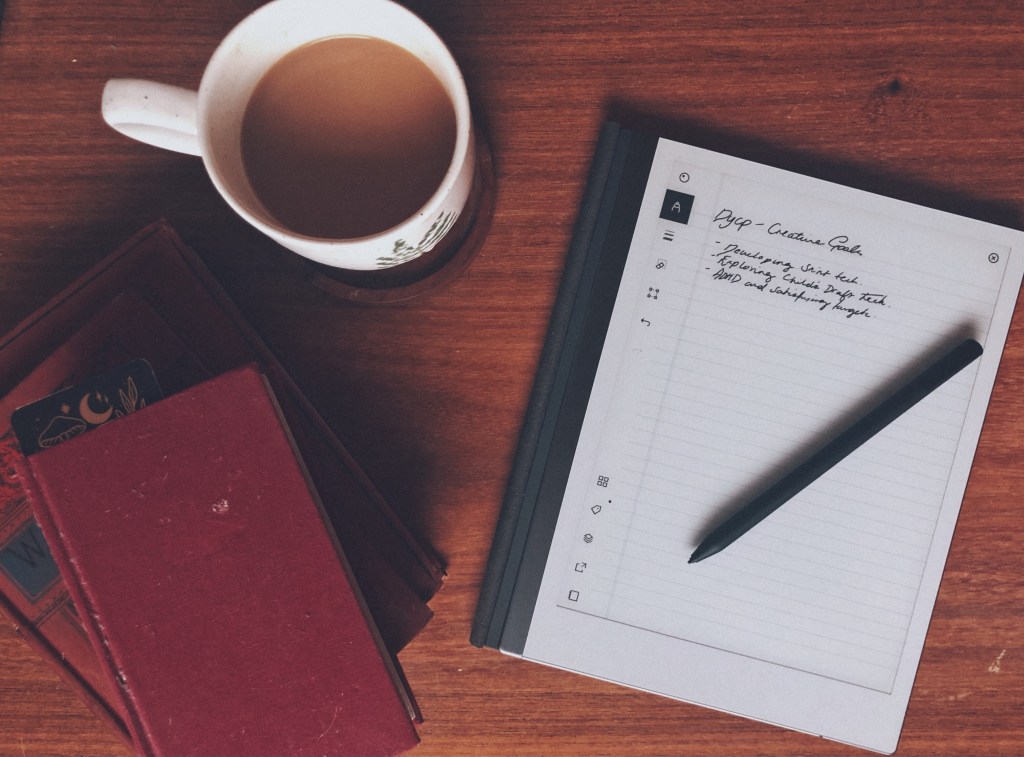
- As a neurodivergent person, your instinct will be to have one set way of doing things – to try to replicate the “normal” way of working. Embraces the chaos. Keep different colour pens with different sensory experiences. I keep notebooks and yellow legal pads; I write in Scrivener and Google Docs. Sometimes I write on my Remarkable Tablet. I’m constantly changing how I do things to keep my brain engaged and stimulated.
- Sometimes, I purposely complicate the way I’m working to make non-creative parts interesting. For instance, when I’m getting the story down in it’s bare bones, I start by handwriting everything on my Remarkable. I then send that work and put it into wordcounter.net and use that space to be creative with the bare bones. Then I lump that into Scrivener and use targets for the chemical gratification of ticking off a box. I also log my targets in NaNoWriMo for that extra sprinkle of happy feelings (or happy anxiety as I call it).
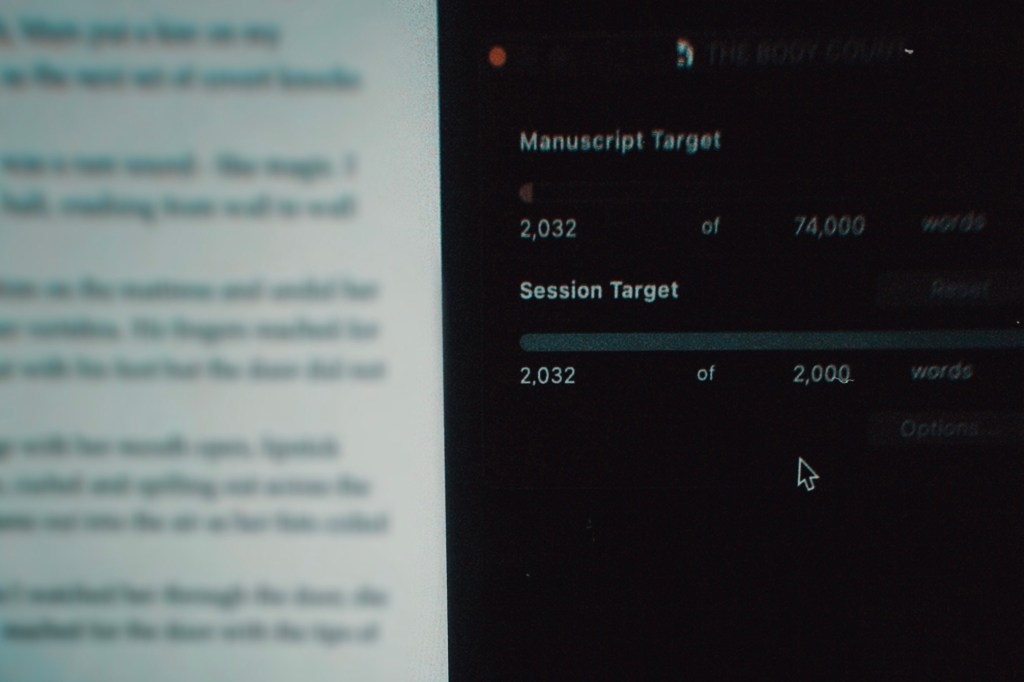
In my first writing session my current WIP, I worked for about an hour in five-minute stints, taking a brief pause to note my progress as every five minutes passed. Working at such a quick pace kept my slowly dwindling attention sharp. It kept my brain stimulated. Each stint became a puzzle to solve.
Accessibility starts with those who misunderstand. Our industries can change when we have these conversations more openly. Until we want to be more curious about the experience of others, we’ll remain stuck. It’s time to be gentle with one another and with ourselves, too.
February reading recommendations:
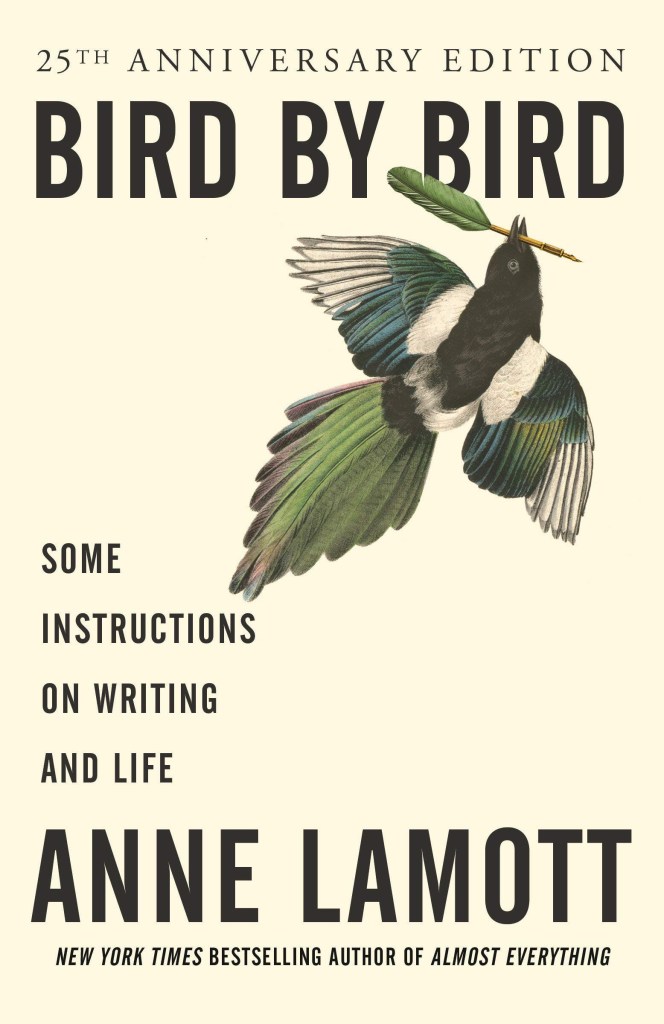
- Bird by Bird by Anne Lamott
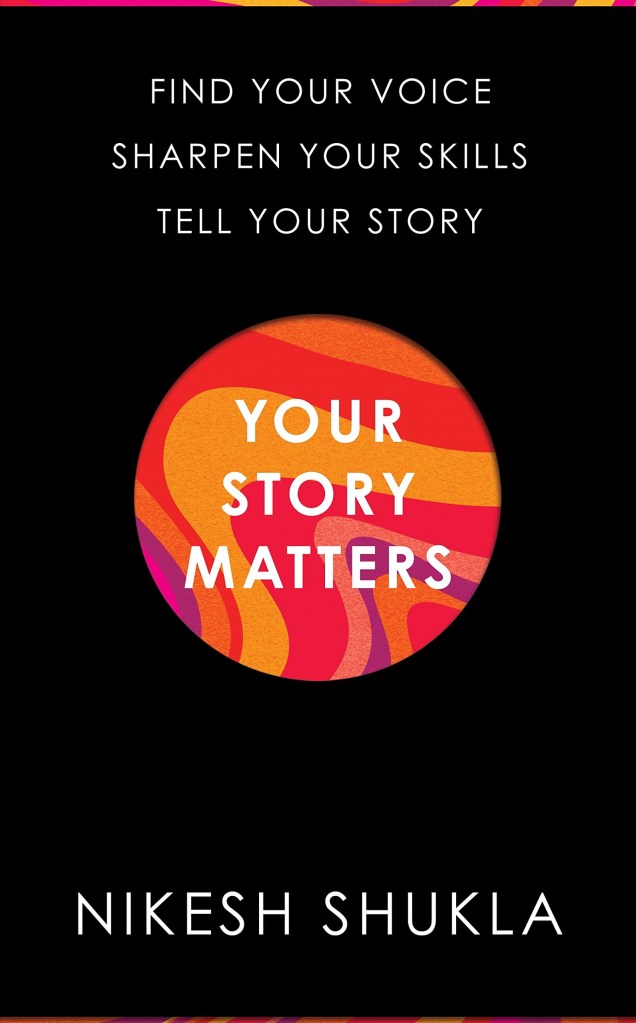
- Your Story Matters by Nikesh Shukla
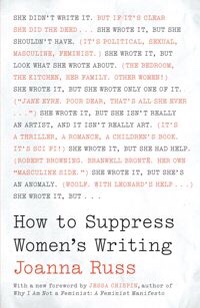
- How to Suppress Women’s Writing by Joanna Russ
If you want to know more about my Arts Council journey, please follow me on Twitter and Instagram for blog updates! I’ll be writing a monthly blog about the things I learn on my journey. You can see the Pinterest board for my project here and my Spotify playlist here.
I’m exceptionally grateful to Arts Council England, who awarded me a DYCP grant in early ’23. This grant has enabled me to take time to develop my creative practice, my voice and my craft. If you’re interested in applying for a grant, please see the ACE website for more information.


 lucy rose (writer)
Leave a comment